High-Value Personal Property Insurance in New Mexico: Jewelry, Art, and Collectibles
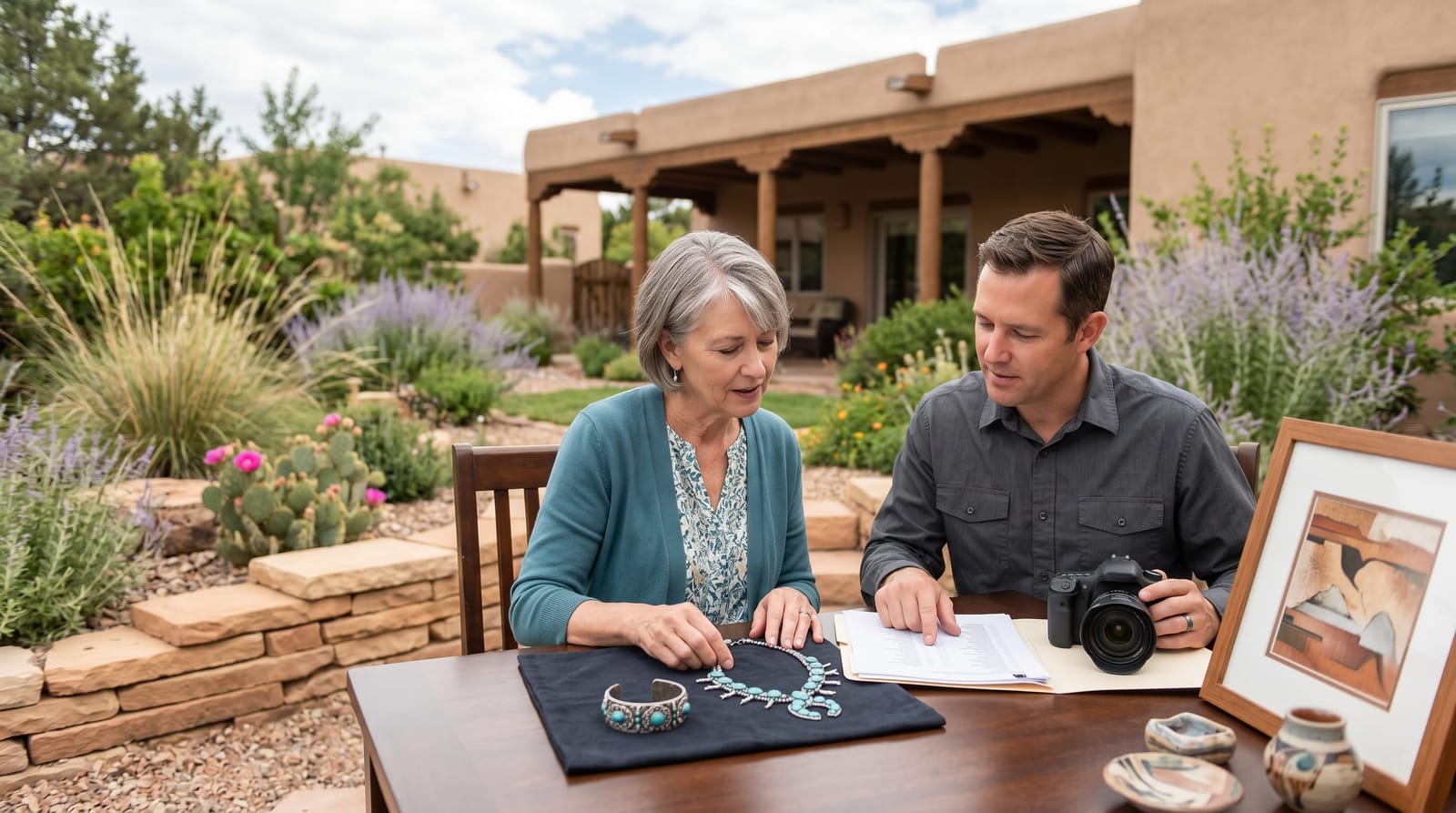
When most people think about specialty item insurance in New Mexico, they picture boats on Elephant Butte or ATVs winding through the Sandia Mountains. But some of the most valuable items New Mexico residents own never leave the house — and they may be the least protected. If you have fine jewelry, original artwork, wine collections, antiques, or collectibles, your standard homeowners policy likely falls short of covering their full value. Most home insurance policies cap personal property coverage for jewelry at $1,500 to $2,500 and impose similar limits on other high-value categories. This post breaks down why those limits exist, what your options are for closing the gap, how appraisals factor in, and how to make sure the things that matter most to you are properly protected.
Why Standard Homeowners Insurance Falls Short for High-Value Items
Standard homeowners insurance is designed to protect a wide range of personal belongings — furniture, electronics, clothing, and general household items. It works well for that purpose. But most policies weren't built to cover a custom-designed engagement ring worth $12,000 or a collection of New Mexico landscape paintings valued at $40,000.
Here's the issue: homeowners policies include what are called "sublimits" for specific categories of high-value property. These are caps that apply regardless of how much total personal property coverage you have. Common sublimits include:
- Jewelry and watches: $1,500 to $2,500
- Firearms: $2,500
- Silverware and goldware: $2,500
- Fine art and antiques: Often excluded or severely limited
- Wine and spirits collections: Typically not covered
- Musical instruments: Limited coverage depending on policy
These caps exist because insurers price standard homeowners policies based on typical household contents. High-value collectibles represent a different level of risk — one that requires its own coverage structure.
It's also worth noting that standard homeowners coverage for personal property may be paid on an "actual cash value" basis, meaning depreciation is factored in. For a piece of vintage jewelry or a signed print that has appreciated over time, actual cash value could leave you significantly under-compensated after a loss.
Scheduled Personal Property Endorsements: The Most Common Solution
The most accessible way to close the coverage gap is through a scheduled personal property endorsement — sometimes called a "floater" or "rider" — added directly to your existing homeowners policy.
With a scheduled endorsement, you and your insurance agent create a specific list (a "schedule") of high-value items along with the agreed-upon value for each one. Each item is individually listed and insured, typically at its full appraised or replacement value with no deductible. This is a meaningful upgrade from the blanket sublimits that apply under standard coverage.
What a Scheduled Endorsement Typically Covers
A scheduled personal property endorsement generally provides broader coverage than the base policy. This usually includes:
- Theft, including mysterious disappearance (for example, a ring lost at the beach)
- Accidental damage or breakage
- Loss while traveling domestically or internationally
- Damage from fire, water, or other covered perils
That broader coverage — especially mysterious disappearance — is one of the biggest advantages over standard personal property coverage, which typically only pays out if there's a clearly documented cause of loss like a break-in or fire.
How to Add a Scheduled Endorsement
Adding a scheduled endorsement is a straightforward conversation with your insurance agent. You'll need to provide documentation for each item, which typically means a recent appraisal, purchase receipt, or certificate of authenticity. Your agent will review the items and help determine appropriate coverage values. The cost is usually modest relative to the protection you gain — often a small percentage of the item's insured value annually.
Standalone Floater Policies for Extensive Collections
For individuals with extensive or particularly valuable collections, a standalone floater policy — separate from your homeowners insurance — may be the better fit. These policies are designed specifically for fine art, jewelry, collectibles, wine, and similar assets, and they offer a level of customization that endorsements can't always match.
Standalone policies are often preferred when:
- The total value of high-value items exceeds what a homeowners endorsement can accommodate
- You want a dedicated policy that won't affect your homeowners claims history if you file a claim on a collectible item
- Your collection includes very specialized categories like vintage wine, rare coins, or fine musical instruments
- You need coverage for items stored outside your home — in a gallery, storage facility, or a second residence
Standalone floater policies are often written on an "agreed value" basis, meaning if a covered loss occurs, you receive the full insured value without depreciation being applied. For items that appreciate over time — like original Southwest art or vintage jewelry — this matters significantly.
If you're also insuring other specialty items like a boat or recreational vehicle, it's worth having a broader conversation with your agent about how all your coverage fits together. Just as boat insurance New Mexico residents rely on fills gaps that home and auto policies leave open, a standalone floater does the same for high-value personal property.
The Role of Appraisals: Getting the Numbers Right
One of the most important — and often overlooked — steps in insuring high-value personal property is obtaining proper appraisals. An appraisal isn't just a formality. It's the document that establishes the value your insurer will use to settle a claim.
When Appraisals Are Required
Most insurers require a professional appraisal for any item above a certain threshold — often $5,000 or more — before they'll add it to a scheduled endorsement or floater policy. Even below that threshold, an appraisal is recommended because it gives you documentation that supports a claim if one is ever filed.
Finding the Right Appraiser
Not all appraisers are equal. For insurance purposes, you want a qualified, independent appraiser who specializes in the type of item you're insuring:
- Jewelry: Look for appraisers certified by the American Society of Jewelry Appraisers (ASJA) or the Gemological Institute of America (GIA)
- Fine art: Seek appraisers who are members of the American Society of Appraisers (ASA) or the Appraisers Association of America (AAA)
- Antiques and collectibles: Look for ASA members with specialization in your specific category
- Wine collections: Specialty wine appraisers or auction house specialists
Keeping Appraisals Current
Values change over time. A piece of New Mexico folk art or a diamond ring appraised in 2015 may be worth considerably more today. Most insurers and financial advisors recommend updating appraisals every three to five years, or whenever market conditions suggest a significant change in value. Keeping your coverage values current ensures you're never underinsured at the moment you need to file a claim.
Special Considerations for Common High-Value Item Categories
Different categories of high-value property come with their own nuances. Here's what to keep in mind for the most common types.
Fine Jewelry
Jewelry is the most commonly under-insured category of personal property. Beyond the sublimit issue, standard policies often don't cover mysterious disappearance — meaning if you lose a ring without knowing exactly how, you may not have a covered claim. A scheduled endorsement or standalone floater solves both problems. For a deeper look at this specific category, our post on jewelry insurance New Mexico homeowners should have already covered walks through everything you need to know.
Fine Art and Original Works
New Mexico has a rich and vibrant art community — from Taos and Santa Fe galleries to private collections built over decades. Original paintings, sculptures, and prints can appreciate significantly over time, making agreed-value coverage especially important. Art also carries unique risks: fading from sunlight, humidity damage, accidental breakage during a move. A specialized fine art floater can be written to cover all of these perils.
Collectibles and Antiques
Whether you collect vintage pottery, rare coins, signed memorabilia, or antique firearms, standard homeowners coverage typically doesn't reflect current market value for specialty items. Documentation is critical — photographs, provenance records, purchase receipts, and appraisals all support both coverage placement and future claims.
Wine and Spirits Collections
A well-curated wine cellar can represent a significant financial investment. Most homeowners policies exclude or severely limit coverage for wine. Specialized wine insurance covers not only theft and physical damage but also spoilage caused by equipment breakdown — a real concern if a temperature-controlled cellar system fails.
Condo and Renters Insurance Considerations for High-Value Property
It's worth noting that these coverage gaps aren't limited to homeowners. If you live in a condo or rent your home, your personal property coverage faces the same sublimits. A condo policy, for example, covers your belongings inside your unit, but high-value items are subject to the same caps as a standard homeowners policy. Our guide to condo insurance New Mexico HOA coverage explores the broader landscape of what condo policies do and don't include — and the same logic applies when you're thinking about scheduling valuable items on a condo or renters policy.
Similarly, if you're an outdoor enthusiast with both recreational equipment and high-value personal property, it's worth reviewing how all your specialty coverage fits together. The same attention you'd give to ATV insurance New Mexico off-road riders need is worth applying to the valuables sitting in your home.
Steps to Take Right Now to Protect Your High-Value Items
If you're unsure whether your current coverage is adequate, here's a practical starting point:
- Review your current homeowners or renters policy for personal property sublimits — look for the section covering jewelry, art, or collectibles specifically.
- Make a list of high-value items you own along with your best estimate of their current market value.
- Gather existing documentation — receipts, prior appraisals, photographs, certificates of authenticity.
- Schedule an appraisal for items that don't have recent, documented values — especially pieces you acquired more than five years ago.
- Contact your insurance agent to discuss whether a scheduled endorsement or standalone floater is the right fit for your situation.
Conclusion
Standard homeowners insurance is a strong foundation, but it wasn't designed to fully protect jewelry collections, fine art, antiques, or other high-value personal property. If the items that mean the most to you — financially and personally — exceed what your policy's sublimits cover, a scheduled endorsement or standalone floater policy is a smart, straightforward solution. The key steps are knowing what you own, documenting its value with proper appraisals, and working with a knowledgeable local agent to build coverage that reflects your real situation. At Jacobs Family Insurance, we take the time to understand what matters to our clients and help them build protection that genuinely fits. Reach out to us today to review your personal property coverage and make sure nothing important falls through the cracks.