
Contractor Insurance in New Mexico: Coverage Every Construction Business Needs
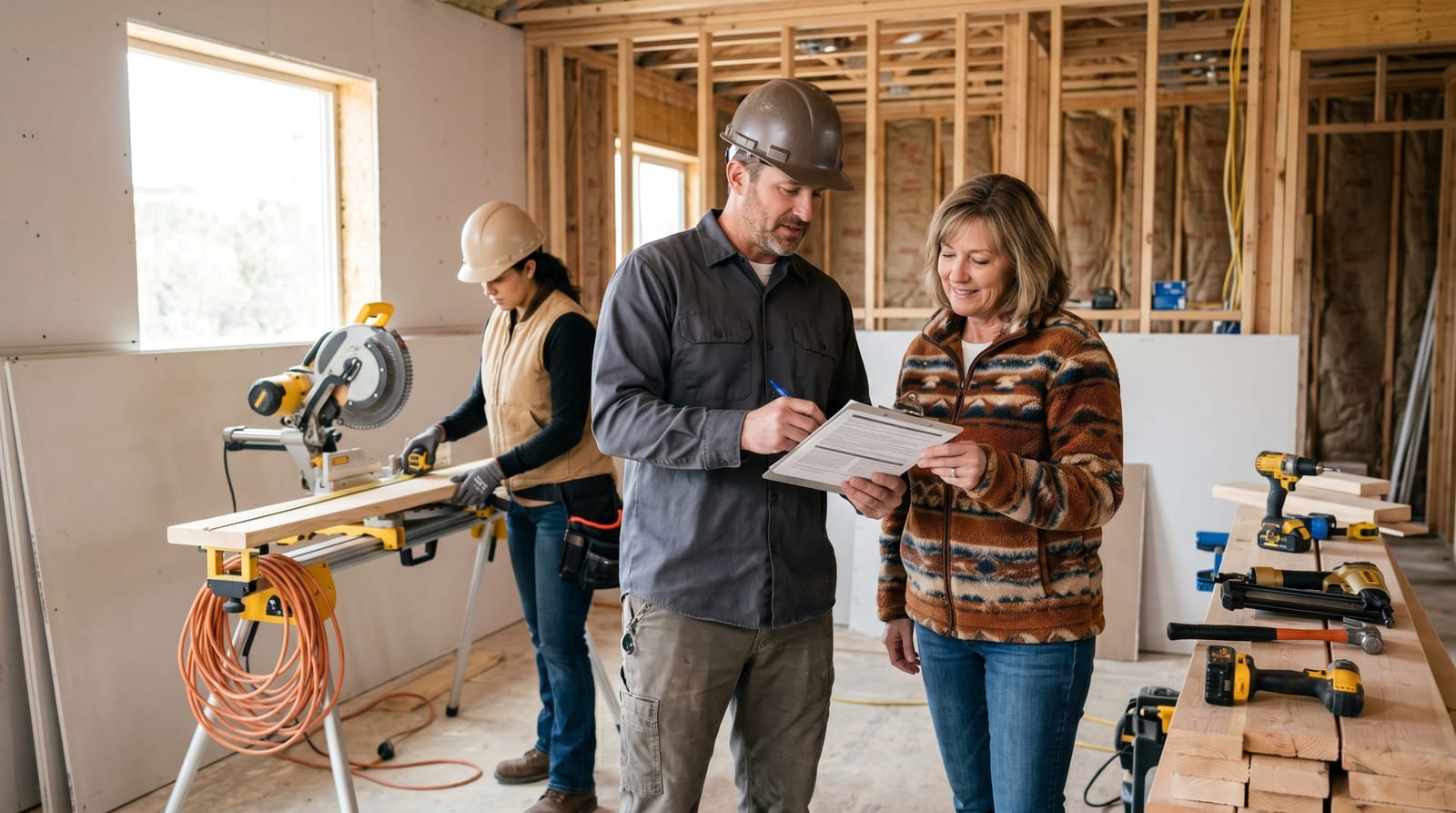
Running a construction business in New Mexico means managing job sites, subcontractors, equipment, and deadlines — all while navigating licensing requirements that demand specific insurance and bonding. Whether you're a solo plumber, a roofing company, or a general contractor managing large commercial builds, contractor insurance in New Mexico isn't optional. This guide breaks down every coverage type you need, what general contractors require from subs, and how to meet New Mexico's bonding and licensing-adjacent insurance requirements.
Why Contractor Insurance in New Mexico Is Non-Negotiable
New Mexico's construction industry is overseen by the Construction Industries Division (CID) under the Regulation and Licensing Department. To obtain and maintain a contractor's license in New Mexico, you must carry specific insurance coverages and surety bonds before your application is approved. This isn't just about compliance — a single job site accident, a client's property damage claim, or an injured worker can generate six-figure losses that uninsured contractors simply can't absorb.
Beyond state licensing, most commercial project owners and general contractors require proof of insurance before you ever set foot on a job site. Subcontractors who can't provide a current certificate of insurance get passed over for work, period. Understanding what coverage you need — and what thresholds to carry — is fundamental to operating a legitimate construction business in this state.
The cost of getting this right is also more manageable than many contractors expect. You can learn more about typical pricing in our breakdown of business insurance cost New Mexico by business type.
General Liability Insurance: The Foundation of Every Contractor's Coverage
General liability (GL) insurance is the first policy every New Mexico contractor needs. It covers third-party claims for bodily injury and property damage that arise from your operations. If a homeowner trips over your equipment and breaks an arm, or your crew accidentally damages a client's finished flooring, your GL policy responds to those claims.
The New Mexico CID requires contractors to carry general liability as part of the licensing process, with minimum limits that vary by license classification. However, minimum limits are rarely enough in practice. Most commercial general contractors and project owners require subcontractors to carry at least $1 million per occurrence / $2 million aggregate, and some large commercial projects require higher limits.
Key things your GL policy should include for construction work:
- Completed operations coverage — protects you after a project finishes if a defect causes injury or damage later
- Products liability — covers claims related to materials or products you install
- Additional insured endorsements — allows general contractors and project owners to be named on your policy (this is almost always required)
- Primary and non-contributory language — ensures your policy pays first before the GC's policy, a standard contractual requirement on commercial projects
Workers' Compensation: Required When You Have Employees
New Mexico law requires most employers with one or more employees to carry workers' compensation insurance. For construction businesses, this is especially critical — construction consistently ranks among the most injury-prone industries in the country. Falls, equipment accidents, and repetitive stress injuries are common, and the medical costs alone can be devastating without coverage.
Workers' comp in New Mexico covers:
- Medical expenses for work-related injuries and illnesses
- Lost wage replacement while an employee recovers
- Rehabilitation costs
- Death benefits for the families of workers killed on the job
One important note for general contractors: if you hire subcontractors who don't carry their own workers' comp, you may be held liable for their workers under New Mexico law. Always verify that subs carry their own policy and obtain certificates before they start work. This protects your business and keeps your own premium from spiking due to uninsured sub payroll.
Surety Bonds: How Licensing and Bonding Work in New Mexico
A surety bond is not the same as insurance — but it functions as a financial guarantee that you'll fulfill your contractual obligations. New Mexico requires contractors to be bonded as part of the CID licensing process. If you fail to complete a project or cause financial harm, a client can make a claim against your bond.
There are two primary bond types relevant to New Mexico contractors:
Contractor License Bonds
Required by the state to obtain your contractor's license. The required bond amount depends on your license class. These bonds protect consumers and the state, not you — if a claim is paid out, you must reimburse the surety company.
Performance and Payment Bonds
Required on many public works projects and large commercial contracts. A performance bond guarantees you'll complete the project to contract terms. A payment bond guarantees you'll pay subcontractors, suppliers, and laborers. These are separate from your license bond and are typically project-specific.
To qualify for bonding, insurers and surety companies evaluate your credit history, financial statements, and work experience. Maintaining good credit and clean financial records makes bonding easier and more affordable as your business grows.
Builder's Risk and Contractor's Equipment Insurance
Two additional coverages that New Mexico contractors frequently overlook — until they file a claim.
Builder's Risk Insurance
Builder's risk covers a structure under construction against damage from fire, wind, vandalism, theft of materials, and other perils. It typically covers the building itself, materials on site, and sometimes materials in transit. On most commercial projects, either the owner or the general contractor is required to carry builder's risk. If you're the GC, verify who carries this coverage before assuming it's someone else's responsibility.
Contractor's Equipment Insurance
Your tools and equipment represent a major capital investment. Contractor's equipment insurance (also called inland marine or equipment floater coverage) protects your machinery, tools, and equipment against theft, vandalism, and accidental damage — whether it's on a job site, in your truck, or in storage. For contractors with excavators, lifts, or specialized power tools, this coverage can be the difference between completing a job and absorbing a catastrophic loss.
Commercial Auto Insurance for Construction Businesses
If your trucks, vans, or vehicles are registered to your business — or if employees drive their personal vehicles for work purposes — you need commercial auto insurance. Personal auto policies typically exclude business use, which means an accident during a job-related trip could leave you completely exposed. Commercial auto covers liability, physical damage, and in some cases, tools and equipment transported in the vehicle.
Frequently Asked Questions
Does every subcontractor in New Mexico need their own insurance?
Yes — and most general contractors will require it before allowing any sub to work on their projects. Subcontractors should carry their own general liability and workers' compensation policies. They'll also need to provide a certificate of insurance naming the GC as an additional insured. Without this, the GC assumes potential liability for the sub's work and workforce.
What's the minimum general liability coverage required to get a contractor's license in New Mexico?
The New Mexico Construction Industries Division sets minimum requirements that vary by license class and type of work. However, the state minimum is rarely sufficient for real-world project requirements. Most commercial contracts require at least $1 million per occurrence, and it's worth discussing your specific license class with an insurance agent who works with New Mexico contractors to ensure you're meeting both state and market requirements.
Is a surety bond the same as insurance?
No. Insurance protects you against losses. A surety bond protects your clients and the state — it's a financial guarantee that you'll perform your obligations. If a claim is made on your bond and paid out, you're responsible for reimbursing the surety company. Think of it as a line of credit backed by your reputation and finances rather than a traditional insurance policy.
Do I need builder's risk insurance on every project?
Not always — but you should verify who carries it on every project. For commercial jobs, the project owner or GC often provides it. For residential remodels or projects where you're acting as the GC, you may need to secure your own policy. Builder's risk is typically project-specific, so it's purchased per job rather than as an annual policy like GL or workers' comp.
Getting the Right Contractor Insurance in New Mexico
Contractor insurance in New Mexico touches every part of your business — from getting licensed to landing commercial contracts to protecting your crew on the job site. The right combination of general liability, workers' compensation, surety bonds, builder's risk, contractor's equipment, and commercial auto coverage ensures you can operate confidently and compete for the projects you want. Working with an agent who understands both construction operations and New Mexico's specific regulatory requirements means you get coverage that actually fits your business — not a generic policy that leaves gaps you won't discover until it's too late.